
A Quick Bite
Volume eating is a weight loss strategy where you eat larger portions of low-calorie, water-dense, and high-fiber foods to stay full while maintaining a calorie deficit.
How it works: High-volume foods stretch the stomach, signaling fullness to the brain without extra calories.
Key benefits: Reduces cravings, boosts energy, and keeps you full on larger portions.
Quick tip for beginners: Increase fiber intake gradually and drink plenty of water to prevent temporary bloating or gas.
A lot of people think that just because a food is healthy, it’ll help you lose weight, but that isn’t always the case.
What is Volume Eating?
Volume eating is a dietary approach where you eat large portions of low-calorie food to lose weight.
By prioritizing foods with high water and fiber content, this strategy lets you eat more while still maintaining a caloric deficit.
The Benefits of Volume Eating
When done right, there are quite a few perks to volume eating. You get to:
- eat bigger portions
- feel full faster
- minimize cravings
- reduce bloating
- boost energy
How Does Volume Eating Work?
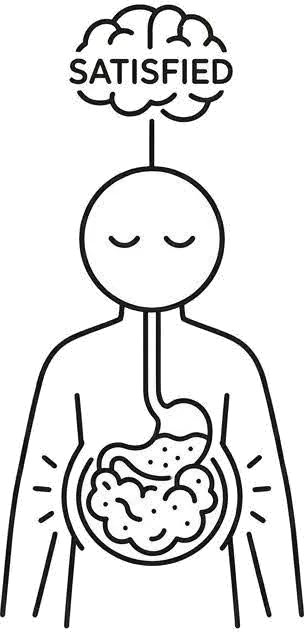
Volume eating is like calorie counting, but smarter. Instead of just looking at total calories, you’re looking at calorie density. Basically, you’re picking foods that pack the fewest calories into the biggest portion.
You want foods that give you the biggest bang for your calorie buck, so to speak. They should take up a lot of room on your plate for a fraction of the calories.
The Science
You have stretch receptors in your stomach that tell your brain when your stomach is full. Foods that are made up of a lot of water and fiber take up more space in your stomach. When that space starts to get tight, those receptors will let your brain know, prompting you to stop eating.
Volume eating is about filling your stomach with healthy foods, so having seconds doesn’t completely sabotage your diet.
Which Foods Are Okay to Eat in Big Portions?
For most people, the hardest part about volume eating is knowing which foods are okay to eat more of.
- watermelon
- strawberries
- blueberries
- raspberries
- apples
- peaches
- cantaloupe
Volume Eating Downsides and How To Adjust
Most people can try volume eating without a problem. But even still, switching to a plant-heavy, high-fiber diet can be a huge change for your digestive system, so your body may need a little time to adjust. If that happens, here are some symptoms you might experience as your body catches up:
 Bloating and Gas
The good news: you’re eating more fiber!
The not-so-good news: more fiber = more work for your digestive system. Expect some bloating and gas as a byproduct.
How to adjust: Don't rush the process. Gradually increase how much fiber you eat over 2-4 weeks. Drink lots of water to help everything move through your system easier.
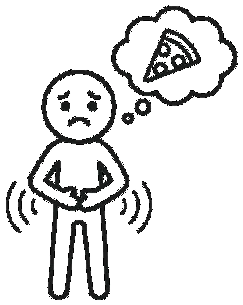 Stomach Stretching
Volume eating trains your stomach to get used to bigger portions of food. So on the occasion you have a normal-sized, calorie-dense meal (like a couple slices of pizza) it might not feel like you've had enough to eat.
How to adjust: Have a side salad or light soup to feel full without adding a bunch of calories.
 Frequent Bathroom Trips
All that extra water from fruits and veggies has to go somewhere!
How to adjust: Eat foods with a lot of water content like watermelon or zucchini earlier in the day. Too close to bedtime, and you'll have to wake up for bathroom breaks throughout the night.
 Trapped Air
The more food you eat, the more likely you are to swallow air. When gas gets trapped in your stomach, that pressure can turn to mild stomach cramping, bloating, and gas.
How to adjust: Eat slower or take smaller bites to discourage gulping.