
A Quick Bite
Plant-based yogurts are a delicious, lactose-free alternative to traditional dairy by fermenting non-dairy bases like soy, coconut, oat, almond, and cashew with thickeners. While naturally dairy-free, their nutrition varies significantly depending on the base you choose:
Protein and Nutrition: Soy- and pea-based yogurts match dairy's high protein, while coconut fits keto diets and oat provides natural sweetness with higher carbs.
Probiotics: Check labels specifically for "live and active cultures," as not all vegan yogurts retain beneficial gut bacteria after processing.
Label Tip: Opt for plain or unsweetened varieties to avoid hidden added sugars and artificial thickeners.
If you love yogurt but don't love lactose, you're in luck. Plant-based yogurt is a thing. A very good thing, actually.
What's the Difference Between Dairy and Plant-Based Yogurt?
Dairy yogurt is made from milk. The default is usually cow's milk, but you can find yogurt made from goat's milk, sheep's milk, and even water buffalo's milk!
After farmers pasteurize and homogenize the milk, they add live bacteria to it. That bacteria feeds on the natural sugar found in milk called lactose. After feeding, they burp out lactic acid, which is what makes yogurt all thick and curdled, along with giving it a nice tang! This process is called
°  ✦  *  o  ✧  •  ★  °  .  ✦  *  o
✧  .   fermentation  .  ★
  *  o  ✧  ✦  °  •  ★  o  *  .  ✧  ✦
Think of it like a magical microbial makeover that turns a liquid base into tangy goodness.
Then, we have plant-based yogurt.
Plant-based yogurt is made from non-dairy ingredients like cashews or coconut. The most common bases are:
- coconut
- cashew
- almond
- oat
- soy
Just like dairy yogurt, bacteria is added to plant-based yogurt to create
°  ✦  *  o  ✧  •  ★  °  .  ✦  *  o
✧  .   fermentation  .  ★
  *  o  ✧  ✦  °  •  ★  o  *  .  ✧  ✦
But because plant-based yogurt doesn't contain lactose for bacteria to feed on, it doesn't get very thick on its own. To help with this, manufacturers add starches or gums, which act as thickeners to make plant-based yogurt nice and creamy.
Nutrition Facts
You know plant-based yogurt is healthy. But how does it compare to traditional dairy yogurt?
Well, it all depends on your base.
Plant-Based Yogurt Nutrition at a Glance
(Based on a standard 5.3 oz / 150g serving)
| Yogurt Base | Protein | Carbs | Sugar (Unsweetened) | Best For |
|---|---|---|---|---|
| Soy | 6 to 7g | 3 to 5g | 1 to 3g | Closest match to dairy yogurt |
| Oat | 3 to 6g | 12 to 18g | 5 to 8g (naturally occurring) | Creamy texture + naturally sweet |
| Almond | 2 to 4g | 5 to 8g | 1 to 3g | Low-calorie, light taste |
| Cashew | 2 to 3g | 6 to 9g | 2 to 4g | Ultra-rich and buttery mouthfeel |
| Coconut | 0 to 1g | 6 to 10g | 3 to 6g | Ketogenic-friendly, high healthy fats |
What the Numbers Actually Mean (And What to Watch For)
Protein
Most plant-based yogurt has some protein, but definitely not as much as your average dairy yogurt. If you want a high protein vegan yogurt, look for the ones made from soy or pea protein. They have a way higher protein content than the other bases and are comparable to traditional dairy yogurt.
Carbohydrates
You might be confused to see carbs on the back of your yogurt label, but if you're having oat- or rice-based yogurt, it pretty much comes with the territory. Remember, oats and rice naturally contain carbohydrates, therefore any yogurt with those bases will, too. A little something to consider if you're tracking your carbs.
Added Sugar
Without lactose, plant-based yogurt isn't really sweet naturally. Manufacturers usually have to add cane sugar or syrups to make up for the lack.
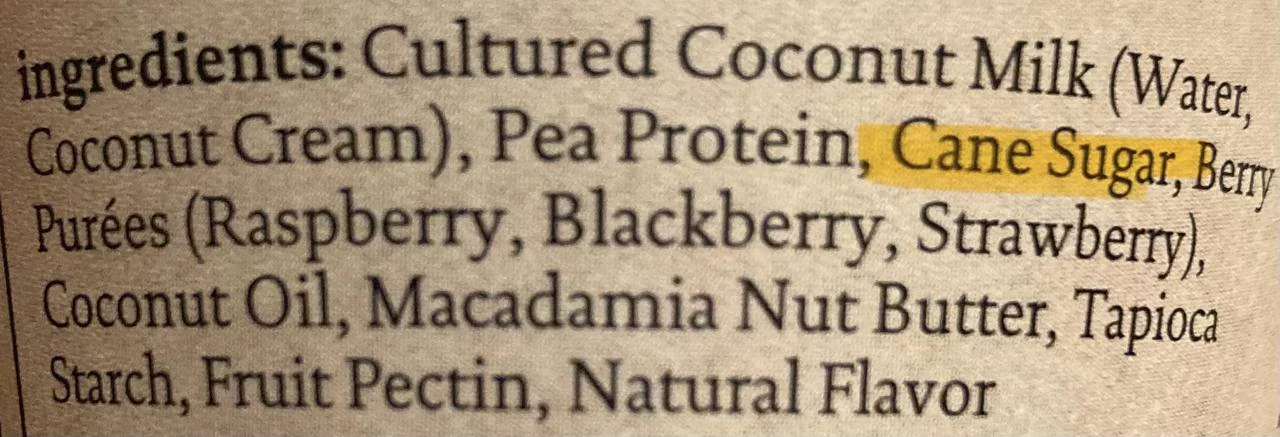
Even plain, unsweetened varieties have a teeny, tiny amount of sugar. So if you're trying to keep your sugar intake low, always double-check the label before buying.
Frequently Asked Questions

Do plant-based yogurts have probiotics?
Most plant-based yogurts contain probiotics, but not all of them do. Some are given just enough bacterium to create fermentation, but not enough to have any noticeable impact on gut health. Others are heat-treated to give them a longer shelf life, but the heat kills off any good bacteria that was present.
A good way to know if your non-dairy yogurt has probiotics is to look for "live and active cultures" somewhere on the front of the label or the nutrition facts.
Are plant-based yogurts automatically healthier than dairy?
Not necessarily. While they're a fantastic swap if you're avoiding dairy, many flavored varieties hide extra cane sugar to make up for the lack of lactose sweetness. Always check the label for plain or unsweetened versions if you want to keep sugar in check!
Can you use plant-based yogurt for cooking and baking?
Yes, but you have to choose your base wisely. High-fat options like coconut or cashew work wonderfully in baking because they mimic dairy fat, while thinner bases like almond or oat can separate or get watery when heated.